On this page
First Confirm Which Product the QC Photos Correspond To In fashion-reps, you should first open the specific product detail page, then click "View QC Photos" on the page to enter that product's QC gallery. The page currently available for verification is titled "Bape white hoodie in relaxed streetwear style," and the product listed is a white hoodie, not a regular crewneck T-shirt. Therefore, the following method can be
By Nathan ColeNathan Cole is Editor-in-Chief, covering residential and commercial lighting specification, LED driver behavior, illuminance and color measurement, and dimmer compatibility. They write most bulb and fixture reviews, keep the paper calibration log, and sign off on every final score. The bench protocol covers three illuminance distances, spectrometer readings at full, mid, and low dim, and a photodiode flicker run on the dimmer wall before scoring discussion. Every scored product requires a 30-day in-room period, and Nathan finalizes a score only when two of the three editors agree on the bench record.
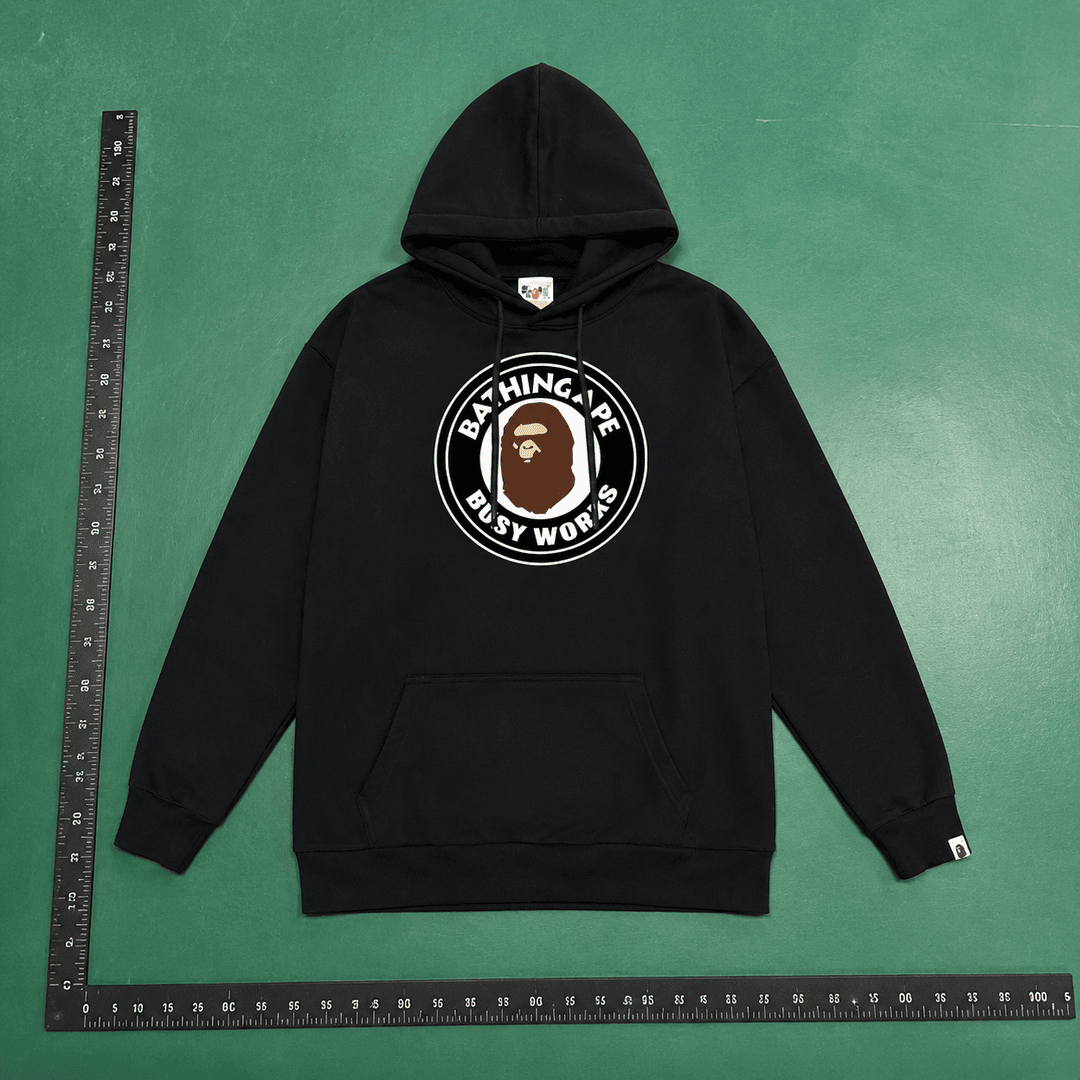
First Confirm Which Product the QC Photos Correspond To
In fashion-reps, you should first open the specific product detail page, then click "View QC Photos" on the page to enter that product's QC gallery. The page currently available for verification is titled "Bape white hoodie in relaxed streetwear style," and the product listed is a white hoodie, not a regular crewneck T-shirt. Therefore, the following method can be used to verify this set of white Bape product QC photos, but it cannot be directly described as confirmed physical evidence of a white printed T-shirt.

The page's QC gallery also lists multiple styles from the same source, including different colors, prints, and fits. Before viewing photos, verify the style name to avoid mistaking photos of other styles from the same source for the target product. The product page also suggests browsing QC images by specific style, so "white" alone is not sufficient to prove that the images correspond to the particular variant you intend to confirm.
Build Visible Evidence, Not Conclusions First
After opening the original QC images, record them in the following order:
- Color and style: Confirm whether the main subject in the image is white, and check whether the page style name, print name, or SKU is consistent. Do not judge solely based on similar colors.
- Print position: Look at the front, back, and sleeves separately. Record whether the print is on the chest, abdomen, back, or near the cuffs, and observe whether it is obviously shifted left or right. Areas not shown in the images should be marked as "no evidence seen."
- Collar and cuffs: Check whether the ribbing is intact, and whether there is obvious deformation, wrinkling, or stains. If the image angle cannot cover the inside and seams, do not write off the unphotographed parts as normal.
- Stitching and seams: Focus on visible areas such as shoulder lines, side seams, cuffs, and pocket openings. QC images can only support descriptions of visible areas in the photos, and cannot guarantee that all stitching on the entire garment is consistent.
- Stains and surface marks: Check whether there are obvious color spots, indentations, loose threads, dyeing, or creases caused by shipping on the white fabric. Slight creases and shadows of unknown origin should be recorded separately.
- Size tag: Confirm whether the tag is photographed and whether the size on the tag matches the ordered size. If the tag is missing, blurred, or blocked, request a retake from the seller rather than inferring the size from the garment's appearance.
You can use the following recording method to separate image facts from editorial judgments:
| Verification Item | Recordable Visible Evidence | Conclusions That Cannot Be Directly Drawn |
|---|---|---|
| Variant | Page style name, SKU, color and print in images | Judging it as the target variant based solely on white color |
| Whether front and back prints are photographed, whether positions are obviously shifted | Authenticity or whether the pattern fully matches the genuine product | |
| Collar and cuffs | Visible ribbing, deformation, stains, and loose threads | That unphotographed areas definitely have no problems |
| Size | Tag size, whether flat measurements are clear | That the letter size definitely equals actual fit |
| Fabric surface | Visible color spots, creases, or indentations in images | Fabric composition, durability, or wearing comfort |
Size Evidence Should Be Verified Separately
The page information shows that this same-source product is described as a relaxed fit, with sizes ranging from S to XXL; the page also reminds that before ordering, you should confirm flat measurements of chest width and body length with the seller. The two types of information cannot replace each other: the fit name is a page description, while flat measurements are size evidence for the current product and current size.
It is recommended to flat measure a piece of clothing you often wear and compare it with the target product data provided by the seller. At least record chest width and body length, and confirm whether the measurement methods are consistent. If the QC images only show the tag without clear flat measurements, the tag size cannot be used as proof of chest width or body length.
The page also mentions that this same-source product is cotton, pullover, and describes it as unlined and unbrushed. However, these are product page information, not independent confirmation of the current individual item by QC images. If your actual purchase is a crewneck T-shirt, you should reconfirm the product detail page and style name, and not apply information from the hoodie page to the T-shirt.
When to Pause Confirmation
If any of the following situations occur, do not confirm payment or proceed to the next step yet:
- The QC page shows a different color, different print, or different SKU;
- Only overall distant shots of the product, without clear front and back print images;
- Collar, cuffs, side seams, or key seams are blocked and cannot be judged;
- Size tag is not photographed, or the tag cannot be matched with the order size;
- Suspected stains, dyeing, or damage on the white fabric cannot be confirmed with existing angles;
- The page says hoodie, but your order actually selected a T-shirt or other style.
At this time, you can request retakes from the seller: front full view, back full view, close-up of print, collar and cuffs, size tag, and flat measurements of chest width and body length. The retake request should clearly state the missing parts, to avoid only asking to "take clearer photos" and still getting unverifiable pictures.
How to Make the Final Judgment
If the images correspond to the correct white variant, and clear evidence is presented for front, back, collar, cuffs, key seams, stain areas, and size tag, the result can be recorded as "photo coverage sufficient," and then decide whether to proceed based on the seller's return and exchange policy. This judgment only means the current QC images provide enough visible information, not that the product's authenticity, long-term quality, or actual wearing effect has been guaranteed.
If key areas lack images, prioritize requesting retakes; if the variant cannot be matched, or size data cannot be confirmed, pause confirmation, and if necessary handle according to the platform and seller's return and exchange process. The current source does not provide independent buyer verification for this individual item, nor does it have enough evidence to support a conclusion of authenticity, so you should not make a judgment of genuine or quality assurance based solely on this set of QC images.
Editor score 4.2 / 5