On this page
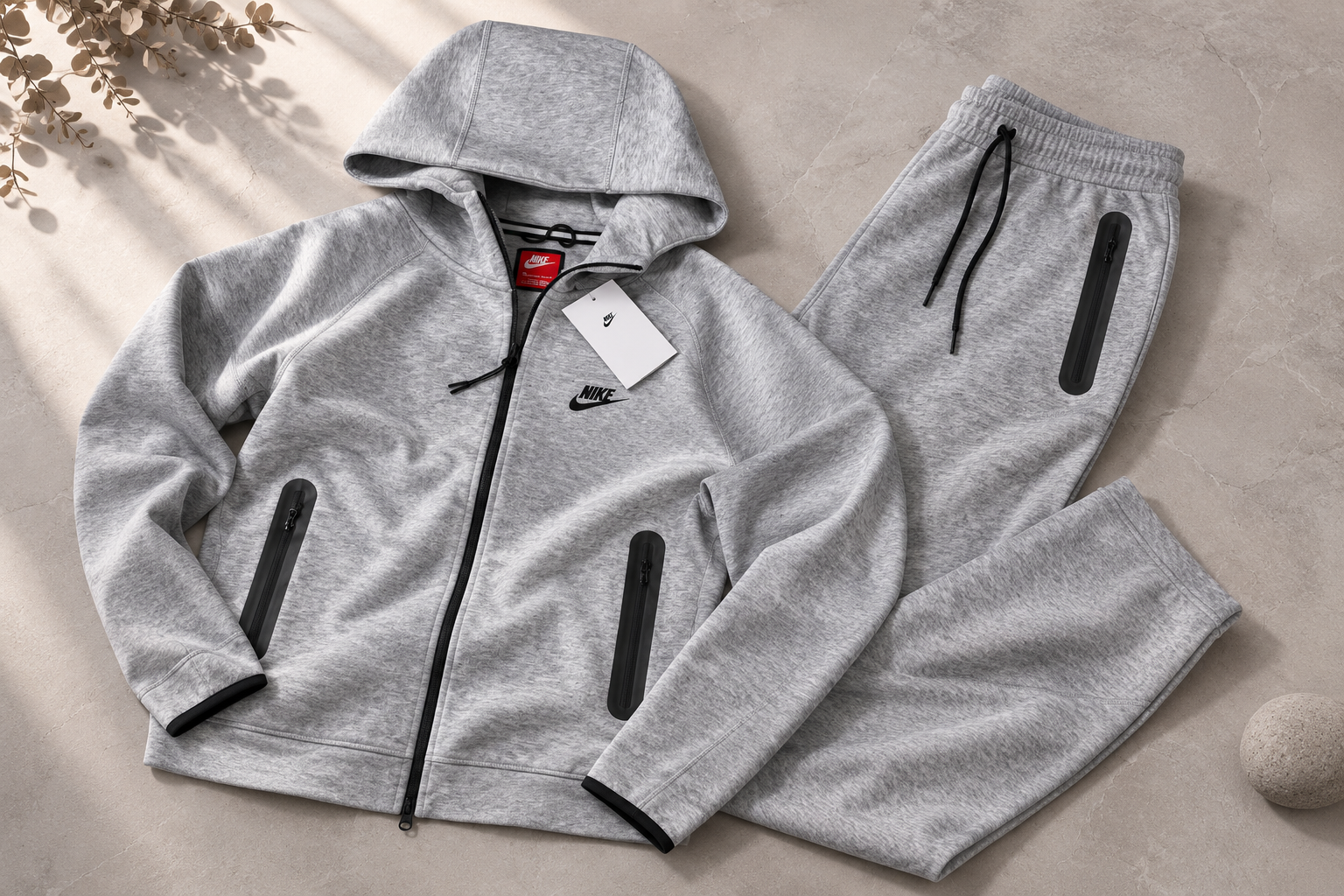
First Look at the Overall Color Palette This outfit uses light gray as the main color, with the top and pants in a unified tone, creating a clean, restrained sporty-casual vibe. The black zipper, drawstrings, cuff bindings, and logo details provide clear contrast, keeping the whole set from looking monotonous. Light gray works well with white, black, dark gray, and low-saturation beige. To keep the look simple, add white sneakers or black basic accessories; to add depth, use a dark gray jacke
By Nathan ColeNathan Cole is Editor-in-Chief, covering residential and commercial lighting specification, LED driver behavior, illuminance and color measurement, and dimmer compatibility. They write most bulb and fixture reviews, keep the paper calibration log, and sign off on every final score. The bench protocol covers three illuminance distances, spectrometer readings at full, mid, and low dim, and a photodiode flicker run on the dimmer wall before scoring discussion. Every scored product requires a 30-day in-room period, and Nathan finalizes a score only when two of the three editors agree on the bench record.
First Look at the Overall Color Palette
This outfit uses light gray as the main color, with the top and pants in a unified tone, creating a clean, restrained sporty-casual vibe. The black zipper, drawstrings, cuff bindings, and logo details provide clear contrast, keeping the whole set from looking monotonous.
Light gray works well with white, black, dark gray, and low-saturation beige. To keep the look simple, add white sneakers or black basic accessories; to add depth, use a dark gray jacket, beige hat, or tone-on-tone socks to create light and dark contrast.

Key Points for Flat Lay Display
The image places the hooded top on the left and the pants spreading to the upper right, forming a natural diagonal composition. The top is the visual center, with hood, zipper, and pocket details clearly visible; the pants add structural information through waistband, drawstring, and side pockets.
When displaying similar sets, follow this sequence:
- First lay out the top, keeping shoulder lines, hood, and front zipper fully visible.
- Place the pants next to or diagonally below the top, avoiding covering pockets and waistband.
- Let cuffs, pant hems, and drawstrings show naturally to enhance edge layering.
- Limit accessories, keeping a few black or neutral items as visual echoes.
- Choose a beige-gray, light brown, or cement-gray background to keep the light gray body with a clear silhouette.
Styling Suggestions
For everyday sporty-casual wear, you can go with the full set, paired with white low-top sneakers to brighten the lower area, plus a black small bag or simple watch to echo the black details on the clothing.
To reduce the set feel, wear only the gray hooded top with black straight-leg pants or dark blue jeans; or wear only the gray pants with a white or dark gray sweatshirt. The top's zipper structure allows layering through opening and closing; for inner layers, choose pure white, black, or tone-on-tone basics to avoid distracting patterns.
In display or photography, the black pocket zippers and drawstrings are important visual anchors. Face these details toward the camera and keep the fabric smooth to present the design relationship more intuitively. Use natural light and soft shadows to highlight the fabric texture, but avoid too many props to not weaken the garment's integrity.
Visible and Invisible Information to Consider Before Purchase
The image helps determine color consistency, set completeness, and exterior details like hood, zippered pockets, waistband, and seam lines. It can also serve as a color and display reference, especially for those wanting to build a gray-black neutral wardrobe.
But from this image alone, you cannot confirm fabric composition, thickness, actual sizing, wearing comfort, post-wash performance, durability, or brand authenticity. If these factors matter, check product specifications, size information, and more detailed angles.
Editor score 4.2 / 5